
"Cuban coffee origin"
400 article(s) found
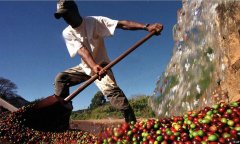
History and culture of Cuban coffee
Coffee was introduced to Cuba from Dominica in 1748, and Cuba has since grown coffee. The fertile soil, humid climate and abundant rainfall in Cuba make it a natural treasure for coffee cultivation. Suitable natural conditions provide a favorable natural environment for the growth of coffee trees, where coffee is well planted and developed. In Cuba, coffee cultivation is regulated by the State. Cuba

Fruit-scented Cuban Crystal Mountain Coffee roasting degree Grinding degree Flavor description characteristics Manor introduction
In addition to Cuba, it also includes more than 1600 surrounding islands of different sizes. The islands are made up of five islands: Savannah, Camag ü ey, Colorados, Queen's Garden and Canareos. Youth Island (also known as Pine Island), located in Batahuano Bay, is the only larger island along the coast. The total length of the coastline is 6073 kilometers. Most of the island of Cuba is flat

Amber Coffee, synonymous with Chinese High quality Coffee
Cuba Cubita in 1748, coffee was introduced to Cuba from Dominica, and Cuba began to grow coffee ever since. The coffee beans selected by the Cuban Cubita are Arabica varieties grown in the Crystal Mountains of Cuba, which are produced and used by the farmers themselves, so it is considered to be a higher and better quality coffee. It uses 100% Cuban Arabica water to wash green coffee beans, its aroma

Meticulous and smooth Coffee Flavor in Crystal Mountain, Cuba. Introduction to the characteristics of fine coffee in the manor area.
In addition to Cuba, it also includes more than 1600 surrounding islands of different sizes. The islands are made up of five islands: Savannah, Camag ü ey, Colorados, Queen's Garden and Canareos. Youth Island (also known as Pine Island), located in Batahuano Bay, is the only larger island along the coast. The total length of the coastline is 6073 kilometers. Most of the island of Cuba is flat

The reason why Crystal Mountain is called "the Blue Mountain of Cuba"
Following Caf é vdailycom (Wechat official account vdailycom) found that Crystal Mountain is geographically adjacent to [the Blue Mountains of Jamaica], with similar climatic conditions and taste similar to Blue Mountain Coffee, comparable to the Blue Mountains of Jamaica, so Crystal Mountain of Cuba has become the object of comparison with the Blue Mountains of Jamaica, also known as the Blue Mountains of Cuba. 1. Suitable

Coffee bean flavor standard latte cup capacity
Cuba Crystal Mountain Coffee-Cubita in Cuba, the cultivation of coffee is regulated by the state. The best coffee growing area in Cuba is located in the Central Mountains. Because this area not only grows coffee, but also produces quartz, crystal and other precious minerals, it is also known as Crystal Mountain. Crystal Mountain is adjacent to the Blue Mountains of Jamaica, with similar climatic conditions and taste.

Grinding scale of Cuban Crystal Mountain Coffee beans description of the flavor of the manor area
El Salvador (ElSalvador) is one of the small countries in Central America, where coffee is light, fragrant, pure, slightly sour and characterized by excellent balance of flavor. It is a specialty of Central America. With sour, bitter, sweet and other taste characteristics, the best baking degree is moderate, deep. Salvadoran Coffee-Coffee originated in the early 1990s, guerrilla warfare greatly damaged the country's national economy.

Is Cuba Blue Mountain Coffee expensive? Cuba Blue Mountain Coffee Brand Price Flavor
Professional coffee knowledge exchange more coffee bean information please follow the coffee workshop (Wechat official account cafe_style) the origin of Cuban Crystal Mountain Coffee [CubitaCoffee], in Cuba, coffee cultivation is managed by the state, the Cuban region has fertile land, humid climate, abundant rain, can be called a natural treasure place for coffee cultivation, the suitable natural conditions for the growth of coffee trees

Introduction to the origin and flavor characteristics of Kenyan coffee
Flavor and taste characteristics: full of particles, uniform taste, tobacco flavor the Republic of Cuba is located in the West Indies, with a detached and primitive natural environment, the beautiful Caribbean Sea and the world-famous Crystal Mountain Coffee. In 1748, coffee was introduced into Cuba from Domiga, and Cuba began to grow coffee ever since. The land in Cuba is fertile, the climate is humid, and Rain Water is abundant.
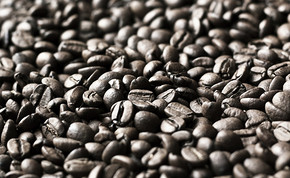
The Origin of Crystal Mountain Coffee in Cuba
Following caf é (Wechat official account vdailycom) found that the Beautiful Cafe opened a small shop of its own in Cuba Cubita: coffee was introduced to Cuba from Dominica in 1748, and Cuba has been growing coffee ever since. Cuba is an archipelago in the northern Caribbean Sea. With fertile land, humid climate and abundant Rain Water, Cuba can be called a natural treasure land for coffee cultivation. The suitable natural condition is coffee.

A brief introduction to the History and Culture of the Origin and Development of Coffee in Crystal Mountain, Cuba
Cubans usually deal with coffee beans in two ways: sun exposure and water washing. Tanning is the simplest, cheapest and most traditional way to treat coffee, which is to let the coffee fruit dry in the sun but not ferment. The general drying time is about four weeks. The washing rule makes the aroma of fruit more into the coffee beans, thus adding a kind of coarse fruit aroma to the coffee.

Introduction of well-known coffee producing areas and treatment methods
Coffee producing area Editor Coffee beans Coffee beans the most sensible and practical way to understand the countries that produce coffee is to classify them into the three major coffee growing areas in the world: Africa, Indonesia and Central and South America. Generally speaking, coffee grown in the vicinity has similar characteristics. If a particular bean is out of stock, the manufacturer and buyer of the comprehensive product will usually look for the nearby one.

Introduction of Cuban Crystal Coffee in the American region south of the United States
The people of South America have waged a long and heroic struggle for freedom and liberation. In the second half of the 18th century, the system maintained by the sovereign state increasingly became the biggest obstacle to social development, and the development of this principal contradiction pushed the South American people to embark on the road of the War of Independence. In 1810, armed uprisings spread throughout South America. After more than a decade of bloody struggle, Xi was finally overthrown.

Coffee producing areas in Cuba
The establishment of the earliest seven coffee plantation sites, including Raglan Piedra, Elkovre, El Salvador and Nisto Perez, are listed as World Cultural Heritage. The seven coffee plantations were reclaimed in the 19th century on virgin land in the foothills of Maestra (postcard in figure 17) in the southeastern provinces of Santiago and Guantanamo. Coffee production in Cuba: Cuba (Cuba)
Global coffee producing area-Cuba
According to records, there were 2067 coffee plantations in Cuba in 1833.

Flavor introduction, characteristics and producing areas of coffee beans
Coffee producing area Editor Coffee beans Coffee beans the most sensible and practical way to understand the countries that produce coffee is to classify them into the three major coffee growing areas in the world: Africa, Indonesia and Central and South America. Generally speaking, coffee grown in the vicinity has similar characteristics. If a particular bean is out of stock, the manufacturer and buyer of the comprehensive product will usually look for the nearby one.
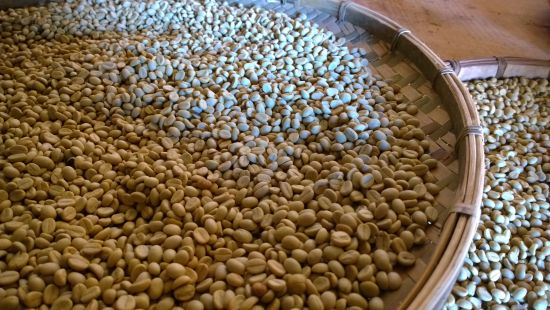
Introduction to Coffee basic knowledge Section 3 Classification of Coffee beans Blue Mountain Coffee Mocha Coffee Coffee
Introduction to coffee basic knowledge section 3 classification of coffee beans Blue Mountain Coffee Mocha Coffee Coffee Cuban Crystal Mountain Coffee Brazilian Coffee with the high quality of life, coffee is consumed by more and more people, so the distinction of taste is particularly necessary. The most basic factor that affects the taste is the raw material of coffee, coffee beans. Here are a few kinds of coffee beans and special flavor coffee.

Introduction to the varieties with slightly sour taste in the coffee producing area of Cuba's Crystal Mountain Coffee.
In addition to Cuba, it also includes more than 1600 surrounding islands of different sizes. The islands are made up of five islands: Savannah, Camag ü ey, Colorados, Queen's Garden and Canareos. Youth Island (also known as Pine Island), located in Batahuano Bay, is the only larger island along the coast. The total length of the coastline is 6073 kilometers. Most of the island of Cuba is flat

Introduction to the origin of coffee beans
Brazil edits the largest coffee producer, accounting for 1/3 of the world's coffee consumption and occupies a place in the global coffee market, although Brazil faces several times more natural disasters than other regions. but it has enough acreage to make up for it. There are many kinds of coffee here, but its industrial policy is abundant and cheap, so it is excellent.

The base of rose summer Flavor Characteristics Taste Price Colombia Panama grind scale Soy Coffee Introduction
In Cuba, the cultivation of coffee is regulated by the state. Cuba's best coffee-growing areas are located in the Central Mountains. Because this area is not only planted with coffee, but also produces precious minerals such as quartz and crystal, it is also known as Crystal Mountain. Currently, Crystal Mountain Coffee is synonymous with premium Cuban coffee. The most typical is Cubit.